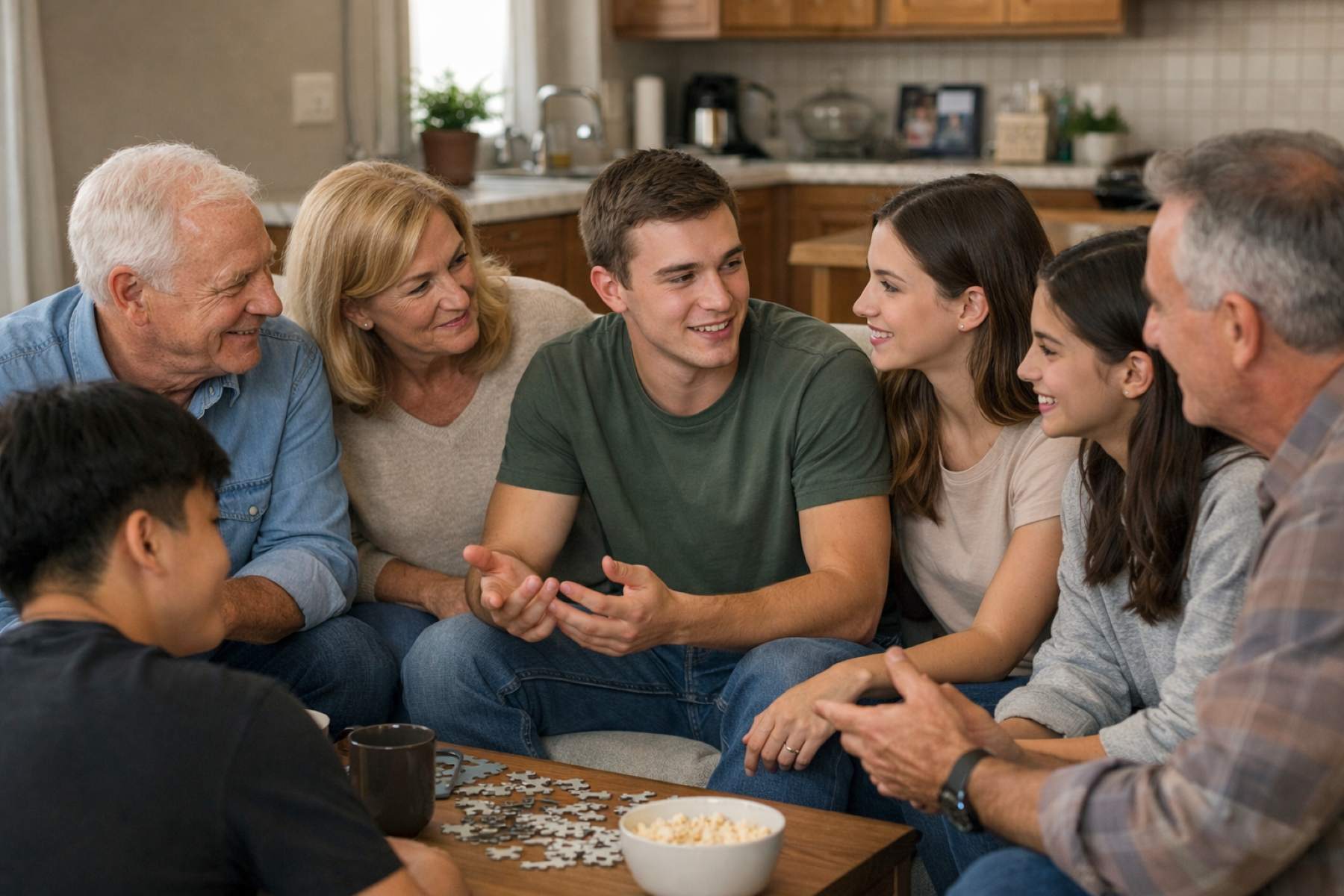
In the modern world, where digital communication often replaces face-to-face interaction, the core of family life can sometimes feel fragmented. However, building a home rooted in deep connection isn’t a new concept. While “emotional intelligence” is a term that has gained significant traction in recent years, many of its most effective applications were practiced by older generations through simple, consistent habits. By blending the foundational wisdom of Boomer-era family dynamics with the self-aware, communicative nature of Gen Z, we can create a powerful blueprint for lasting harmony.
Understanding Emotional Intelligence Family Strategies
Before diving into the specific practices that can transform a household, it is essential to define what we mean by emotional intelligence family strategies. At its core, this concept refers to the collective ability of a family unit to recognize, understand, and manage emotions in a way that reduces stress and builds empathy. It isn’t just about being “nice”; it is about creating a safe emotional environment where every member feels heard and valued, regardless of their age or life stage.
Practice Active Empathetic Listening
One of the most profound strategies inherited from seasoned family leaders is the art of active, empathetic listening. In a fast-paced world, it is easy to listen only for the sake of responding, but true emotional intelligence requires listening to understand. This means putting down the smartphone, maintaining eye contact, and truly absorbing what another family member is saying without immediate judgment or the urge to “fix” the problem.
When a family prioritizes this type of presence, it validates the speaker’s feelings. For Gen Z members who often navigate a high-pressure digital landscape, having a parent or grandparent who listens with genuine curiosity can be life-changing. This practice builds a bridge of trust that allows deeper conversations to flourish over time.
Express Emotions Openly Daily
The strongest families are those that do not wait for a crisis to talk about how they feel. Integrating emotional expression into the daily routine prevents small frustrations from snowballing into resentment. This can be as simple as sharing a “high” and a “low” point of the day during dinner or expressing gratitude for a small gesture of kindness.
By normalizing the discussion of feelings, families strip away the stigma often associated with vulnerability. When parents model that it is okay to feel tired, frustrated, or overjoyed, children and young adults learn that their own emotional spectrum is natural and manageable. This daily habit creates a culture of transparency that is essential for long-term bonding.
Resolve Conflicts Calmly Together
Conflict is an inevitable part of living under one roof, but it does not have to be destructive. A hallmark of high emotional intelligence is the ability to navigate disagreements without resorting to shouting or the “silent treatment.” Instead of seeing a conflict as a battle to be won, successful families view it as a puzzle to be solved together.
Approaching a disagreement with a calm demeanor allows everyone to stay in a rational mindset. It involves using “I” statements—such as “I feel overwhelmed when the kitchen is messy”—rather than “you” statements that can feel like an attack. This collaborative approach to problem-solving ensures that the relationship remains the priority, even when opinions differ.
Foster Unconditional Family Support
There is a unique strength in knowing that no matter what happens in the outside world, your family remains a steadfast sanctuary. Fostering unconditional support means celebrating each other’s wins and providing a soft place to land during failures. It is about offering love that isn’t contingent on grades, career success, or conforming to specific expectations.
When Gen Z individuals feel this level of security, they are more likely to take healthy risks and be honest about their struggles. This pillar of emotional intelligence creates a sense of belonging that serves as a protective factor against the anxieties of modern life. It reinforces the idea that the family unit is a team that wins and loses together.
Build Traditions Strengthening Ties
Traditions are the “glue” that holds a family’s history and future together. Whether it is a specific way of celebrating birthdays, a recurring Sunday brunch, or an annual camping trip, these rituals provide a sense of continuity and identity. Traditions offer a predictable rhythm to life, which can be incredibly grounding for younger generations.
These moments are more than just items on a calendar; they are opportunities for shared experiences that become the stories a family tells for decades. By intentionally carving out time for these rituals, families signal that their bond is worth celebrating and protecting. It creates a shared culture that transcends the individual.
Teach Resilience Through Challenges
Life inevitably presents hurdles, and the family is the primary classroom for learning how to clear them. Rather than shielding younger members from every difficulty, emotionally intelligent families use challenges as teaching moments. They discuss the emotions involved in a setback and brainstorm ways to persevere.
This strategy involves acknowledging the pain of a situation while also focusing on the steps needed to move forward. By teaching resilience, families equip their members with the tools to handle life’s ups and downs with grace. It shifts the narrative from being a victim of circumstance to being an active participant in one’s own growth.
Prioritize Quality Family Time
In an era of endless distractions, time is the most valuable currency a family can spend. However, quality time isn’t just about being in the same room; it’s about intentional engagement. This might mean a “device-free” hour every evening or a dedicated afternoon each week for a shared hobby or outdoor activity.
Prioritizing this time demonstrates that the people in the room are more important than the notifications on a screen. It provides the space necessary for the other emotional intelligence strategies—like listening and expressing emotions—to actually happen. Without dedicated time, the emotional health of the family can easily fall to the wayside.
Model Respectful Boundary Setting
Finally, a truly healthy family dynamic respects individual boundaries. This includes physical space, privacy, and emotional limits. Modeling how to say “no” respectfully or asking for space when needed is a vital component of emotional intelligence. It teaches everyone in the household that their personal needs are valid.
When parents and elders model healthy boundaries, they teach younger generations how to establish them in their own friendships and future romantic relationships. Respecting a teenager’s need for some solitude or a parent’s need for a quiet morning creates a mutual respect that prevents burnout and fosters a more harmonious living environment.
Integrating these emotional intelligence family strategies isn’t about achieving perfection; it’s about making a consistent effort to connect. By combining the steady, traditional values of resilience and tradition with modern practices of empathy and open communication, any family can strengthen its foundation. These habits create a legacy of emotional health that will benefit generations to come, ensuring that the home remains a place of warmth, growth, and unbreakable bonds.