When people picture a blue-collar job, they often think of construction crews or factory assembly lines. Yet some of the best-paying careers in the United States and many other countries sit in skilled trades that rarely make headlines. Many of them require no four-year degree, and some pay more than many office jobs.
Growing demand is part of the reason. Aging infrastructure, the energy transition, and a wave of retirements in skilled trades have left many employers struggling to find qualified workers. For job seekers, that shortage creates real opportunity. Here are several lucrative blue-collar careers that many people have never considered, along with what they involve and what they can pay.
Salary figures below are approximate national medians drawn from the U.S. Bureau of Labor Statistics’ Occupational Outlook Handbook and Occupational Employment and Wage Statistics data. Pay varies by region, employer, union status, and experience, so treat these numbers as a starting point rather than a guarantee.
Elevator and Escalator Installers and Repairers
Few people think about the workers who keep elevators and escalators running, yet this is one of the most surprisingly lucrative trades. Installers assemble new systems in office towers, hospitals, and airports. Repair technicians diagnose faults, replace components, and keep systems compliant with safety codes.
The median annual wage for this occupation has been above $100,000 in recent BLS data, which places it among the highest-paying skilled trades in the country. Most workers enter through a paid apprenticeship that typically lasts about four years and combines on-the-job training with classroom instruction. Many apprenticeships are union-affiliated, and the work often includes overtime, particularly for emergency repair calls.
The appeal goes beyond salary. Demand is steady because buildings constantly need maintenance and modernization, and the work cannot easily be outsourced.
Power Plant Operators
Electricity doesn’t generate itself. Power plant operators control the machinery that produces electricity in fossil fuel, nuclear, and hydroelectric facilities. They monitor gauges, adjust systems, respond to malfunctions, and keep the grid stable.
Median pay for this role has generally exceeded $90,000 to $100,000 a year, depending on the source and the plant type. Nuclear plant operators typically earn the most, but they also face the strictest licensing requirements. Many operators begin with a high school diploma, complete extensive employer-provided training, and progress through certification levels over several years.
Power plant work is often shift-based and carries significant responsibility, which is reflected in compensation. As grids add more renewable energy and battery storage, operators with modern control-system skills are increasingly in demand.
Boilermakers
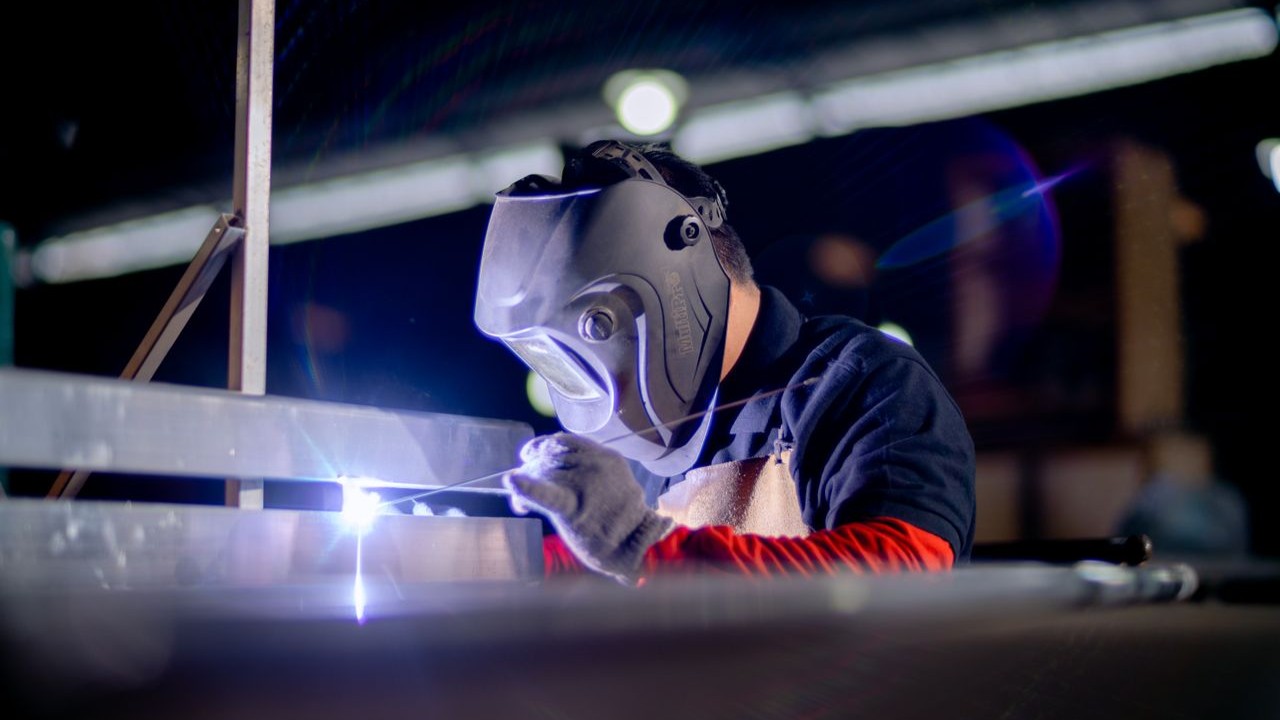
Boilermakers build, install, and repair large industrial vessels such as boilers, tanks, and pressure vessels used in power generation, refineries, and chemical plants. The work involves heavy metal fabrication, welding, and precise assembly in demanding environments.
Median wages for boilermakers have typically fallen in the mid-to-high $60,000 range, but experienced workers on major projects, especially those with specialized welding certifications, can earn considerably more with overtime and travel pay. Training usually comes through a registered apprenticeship program run by the International Brotherhood of Boilermakers or similar organizations.
The job is physically demanding and can involve working at heights or in confined spaces. For those who handle it well, however, it offers a stable career with strong earning potential.
Wind Turbine Technicians
Wind energy is one of the fastest-growing sources of electricity in the world, and it needs people to maintain massive turbines. Wind turbine technicians climb towers that can exceed 250 feet, inspect blades, service gearboxes and generators, and troubleshoot electrical systems.
Median pay for wind turbine technicians has been around $60,000 a year in recent BLS data, with experienced technicians and offshore specialists earning more. Many employers prefer candidates who have completed a postsecondary certificate program in wind energy technology, and some programs last only a year or two.
Because the field is still expanding, the Bureau of Labor Statistics projects strong growth for this occupation over the coming decade. For workers comfortable with heights and mechanical systems, it can be an appealing alternative to traditional office careers.
Commercial Divers
Commercial divers work underwater for a range of industries, including construction, offshore oil and gas, bridge and dam maintenance, marine salvage, and offshore wind. Their tasks might include welding underwater pipelines, inspecting ship hulls, or helping install foundations for offshore turbines.
Median pay for commercial divers is in the range of $60,000 to $70,000 annually, but offshore and saturation divers working on specialized projects can earn far more. Training is intensive and specialized. Accredited diving schools typically run programs of several months, and employers often require additional certifications, medical clearances, and safety training.
The work is demanding and carries real risk, which is why strict safety standards and professional certifications are central to the trade. Those who meet these requirements often find steady, well-compensated work.
Industrial Millwrights
Millwrights install, dismantle, repair, and maintain heavy industrial machinery. They align equipment, set up conveyor systems, and keep production lines operating smoothly. In many factories and plants, a skilled millwright is essential to avoiding costly downtime.
Median wages for millwrights have generally been around $55,000 to $60,000, but workers with advanced skills in hydraulics, programmable logic controllers, and precision alignment can command higher pay, particularly in heavy manufacturing and energy sectors. Apprenticeships are a common route into the trade.
Millwrighting is an example of a career that many people have never heard of, but it offers strong job security because automated systems still require skilled human hands to install and maintain them.
Why These Careers Pay So Well
Several forces explain why these trades command such strong pay. First, many of them require specialized skills that take years to develop, and employers compete for a limited pool of qualified workers. Second, the work often carries physical danger, irregular hours, or responsibility for expensive equipment and public safety. Third, retirements among experienced tradespeople have accelerated, leaving gaps that employers are struggling to fill.
Apprenticeships play a central role. Many programs allow workers to earn wages from their first day while learning on the job, which means they avoid large student debt. Some trades also offer union membership, which can provide pension plans, health benefits, and collective bargaining power.
Is a Skilled Trade Right for You?
Choosing a blue-collar career is a personal decision. It suits people who enjoy hands-on problem solving, prefer tangible results over desk-based work, and are willing to commit to rigorous training. It also requires realistic expectations. Many of these jobs involve physical effort, safety responsibilities, and sometimes travel or unpredictable schedules.
For anyone considering this path, a practical first step is to research apprenticeship programs in your region. Community colleges, trade unions, and state workforce agencies often provide information on enrollment requirements, costs, and wage progression. Speaking with people already working in the trade can also offer insight that official statistics cannot.
The idea that a high salary requires a university degree is increasingly outdated. Elevator technicians, power plant operators, boilermakers, wind turbine specialists, commercial divers, and millwrights all show that skilled manual work can lead to strong income and long-term stability. As infrastructure, energy, and manufacturing continue to evolve, the demand for skilled tradespeople is likely to remain high.
For job seekers willing to learn a demanding craft, these lucrative blue-collar careers deserve a closer look. Sometimes the most rewarding opportunities are the ones few people talk about.