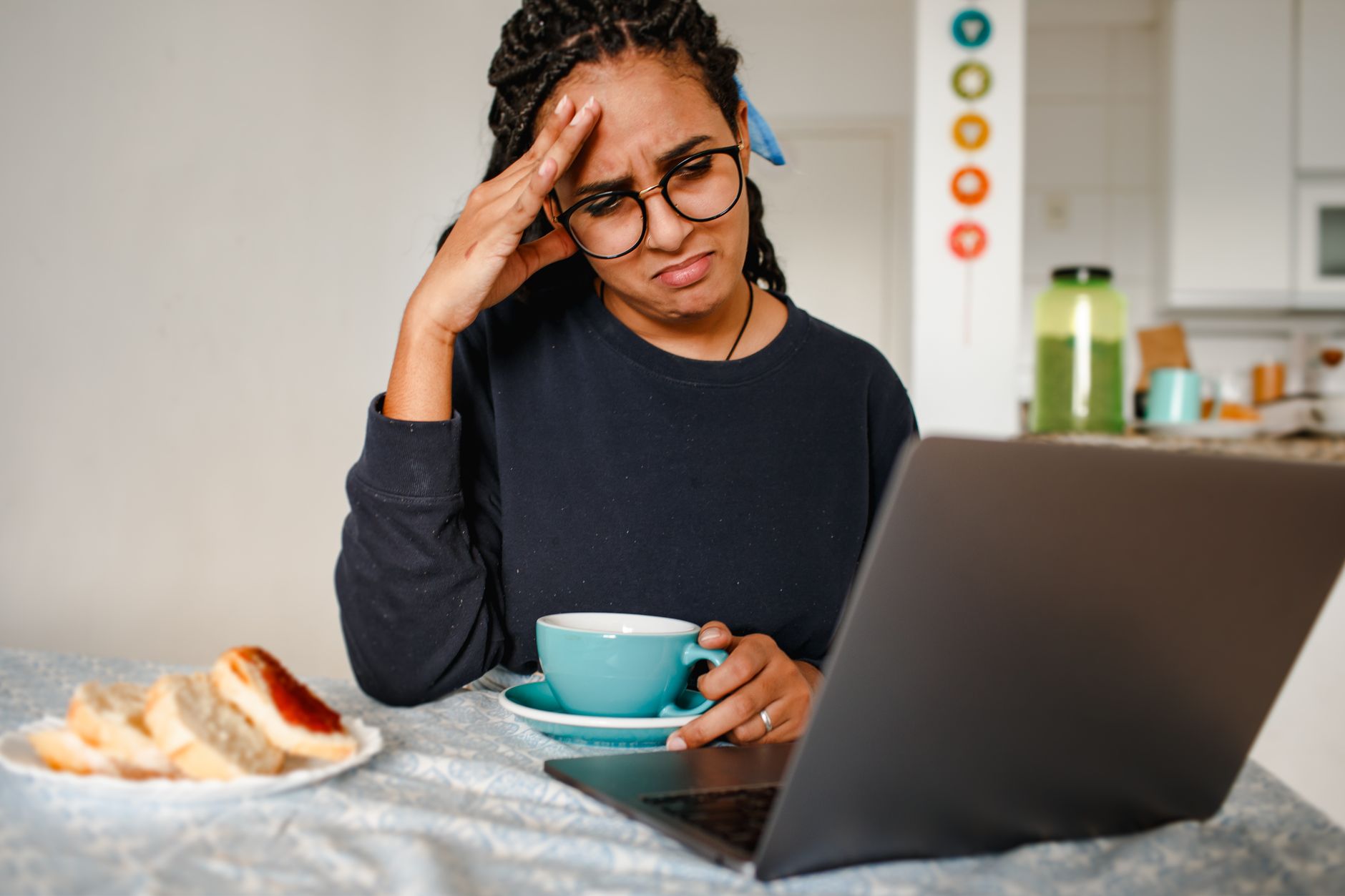
That second cup of coffee may feel like a lifeline, but for some people it comes with a jittery heart, a tight chest, and a mind that won’t slow down. Coffee is one of the most widely consumed drinks in the world, and for many of us it’s part of the morning routine. Yet a growing number of people are asking whether their daily cup is quietly fueling their anxiety.
The short answer is that caffeine can make anxiety worse for some people, though it isn’t the cause for everyone. To understand why, it helps to look at what caffeine actually does inside your brain and body.
How Caffeine Tricks Your Brain
To understand caffeine’s effects, start with adenosine. Adenosine is a natural chemical that builds up in your brain the longer you stay awake. It binds to receptors that slow nerve activity and make you feel drowsy. Over the course of a day, adenosine accumulates, and that growing pressure is a big part of why you feel tired by evening.
Caffeine’s chemical structure looks similar enough to adenosine that it can slip into the same receptors without activating them. In effect, it blocks the “sleepy” signal. You don’t feel less tired because your body has more energy. You feel less tired because the brake that adenosine normally applies has been temporarily taken off.
This is why caffeine feels so effective. It doesn’t just wake you up. It masks fatigue while the adenosine continues to build behind the scenes. When the caffeine wears off, the stored adenosine can rush in, which is one reason many people feel an afternoon slump or a headache when they skip their usual coffee.
The Stress Hormone Connection
Caffeine doesn’t stop at adenosine. It also stimulates the release of adrenaline, the body’s “fight or flight” hormone. Adrenaline increases your heart rate, raises blood pressure, and sharpens alertness. In small amounts, this can feel energizing and focused. In larger amounts, or in people who are already sensitive, the same response can feel alarming.
Caffeine can also nudge cortisol, the primary stress hormone, upward. Cortisol naturally rises in the morning to help you wake up, so a cup of coffee doesn’t create stress hormones out of nothing. However, when caffeine is layered on top of work pressure, poor sleep, or emotional strain, the cumulative effect can keep the body in a heightened state of alert for longer than it should be.
Caffeine also affects dopamine, the chemical linked to motivation and reward. Dopamine release in certain brain regions is part of why coffee feels pleasurable and why people form habits around it. That reinforcement is one reason cutting back can feel harder than expected.
Why Coffee Affects Anxious People More
Not everyone reacts to caffeine in the same way, and the difference matters. Several factors determine how strongly a cup of coffee affects your nervous system.
Genetics play a major role. Much of caffeine is processed in the liver by an enzyme called CYP1A2. Variations in the gene that codes for this enzyme mean some people clear caffeine quickly, while others process it slowly and experience its effects for much longer. Slow metabolizers may find that a afternoon coffee is still circulating in their system at bedtime, keeping their nervous system primed.
Existing anxiety changes the picture. People with generalized anxiety disorder, panic disorder, or social anxiety often have nervous systems that are already more reactive. For them, the physical sensations caffeine produces, such as a racing heart, trembling hands, or shallow breathing, can resemble the early signs of a panic attack. That can trigger a cycle in which the person feels anxious, notices their body responding, and interprets the response as dangerous. Research has linked high caffeine intake with increased anxiety symptoms, particularly in people who already experience anxiety disorders.
Dose matters. The U.S. Food and Drug Administration has said that up to 400 milligrams of caffeine per day is not generally associated with dangerous effects for healthy adults. That is roughly four cups of brewed coffee, though the amount varies widely depending on the brew strength and serving size. Espresso drinks, energy drinks, and some pre-workout supplements can deliver much more caffeine than people expect, sometimes in a single serving.
The Sleep Problem Hiding in Plain Sight
Perhaps the most overlooked link between coffee and anxiety is sleep. Caffeine has a half-life of roughly three to seven hours, meaning that half of a caffeine dose can still be active in your body several hours after you drink it. A late-afternoon latte can still be affecting your brain at bedtime.
Studies have shown that caffeine consumed up to six hours before bed can meaningfully reduce total sleep time, even when people report that they fell asleep without trouble. Poor sleep is strongly connected to anxiety. When you’re underslept, the brain’s threat-detection system becomes more reactive, and everyday worries can feel much larger. Irritability, racing thoughts, and difficulty concentrating often follow.
So the cycle can look like this: caffeine disrupts sleep, poor sleep heightens anxiety, and anxiety drives people to reach for more coffee to get through the day. Breaking that loop often starts with simply moving the last cup earlier in the day.
Withdrawal, Dependence, and Mood Swings
Regular caffeine users can develop tolerance, meaning they need more to feel the same effect. They can also experience withdrawal when they stop or cut back suddenly. Symptoms may include headaches, fatigue, difficulty concentrating, low mood, and irritability. These symptoms usually appear within 12 to 24 hours of the last dose and can last several days.
This matters for anxiety because withdrawal symptoms can feel similar to anxiety itself. Someone who drinks coffee to counter fatigue may interpret the grogginess and low mood of withdrawal as a sign that their anxiety is worsening, when it is actually the body adjusting. Reducing intake gradually, rather than quitting overnight, can make the transition much smoother.
Hidden Sources of Caffeine
Coffee is not the only source of caffeine in the modern diet. Tea, cola, chocolate, energy drinks, and certain medications, including some headache remedies and cold products, all contain caffeine. Even decaffeinated coffee contains small amounts, typically a few milligrams per cup.
Looking at the full picture can reveal surprising totals. Someone who drinks a morning coffee, an iced tea at lunch, and a piece of dark chocolate in the evening may be consuming more caffeine than they realize. Keeping a simple log for a few days can help identify where caffeine is hiding.
Should You Quit Coffee Altogether?
For most healthy adults, moderate coffee consumption is not harmful, and some research has even linked it to benefits such as lower risk of certain diseases. The key question is how coffee affects you personally. Coffee is not a universal trigger for anxiety, and many people drink it without any noticeable change in mood.
If you suspect caffeine is making your anxiety worse, consider these practical steps:
- Track when you drink caffeine and how you feel afterward, looking for patterns in your mood, heart rate, and sleep.
- Set a caffeine cutoff time, often six or more hours before bed, to protect your sleep.
- Reduce your intake gradually to limit withdrawal headaches and fatigue.
- Switch to decaf or herbal tea during the afternoon if you still enjoy the ritual.
- Stay hydrated and eat regular meals, since low blood sugar can mimic or intensify anxiety symptoms.
If anxiety is persistent, intense, or interfering with daily life, it is important to speak with a doctor or mental health professional. Caffeine can be a contributing factor, but anxiety disorders are treatable through therapy, lifestyle changes, and, when appropriate, medication. A healthcare provider can also check for other causes, such as thyroid problems, that can produce similar symptoms.
Caffeine works by blocking the brain’s sleep-promoting signal and by triggering the release of stress hormones like adrenaline. For some people, especially those with anxiety disorders, slow caffeine metabolism, or poor sleep, that effect can intensify feelings of nervousness and restlessness. For others, a morning cup is simply a pleasant part of the day.
Understanding your own response is the most useful step. Pay attention to timing, dose, and how your body feels, and don’t hesitate to seek professional support if your anxiety feels out of control. Your daily coffee may be innocent, or it may be a hidden contributor. Either way, knowing what caffeine really does to your brain puts you in a stronger position to make choices that support your mental health.