Forgetting where you left your keys is common and usually harmless. But when memory slips become frequent, or when names and recent conversations start disappearing, many people begin to worry about Alzheimer’s disease and other forms of dementia. That worry has made brain health one of the fastest-growing topics in nutrition research.
The question many readers ask is simple: can what I eat actually protect my memory? The answer is more hopeful than many expect, though it comes with important caveats. No single food can prevent Alzheimer’s, and no product can reverse it. Still, a growing body of research suggests that certain foods, eaten consistently as part of an overall healthy diet, may help support the brain as we age. These are often called “brain superfoods,” a catchy label for a set of nutrient-rich ingredients that appear again and again in studies on cognitive health.
Why Diet Matters for the Aging Brain
Alzheimer’s disease is the most common cause of dementia, and it is driven by a complex mix of biological processes, including the buildup of amyloid and tau proteins in the brain. Genetics play a role, and age is the biggest known risk factor. Yet researchers increasingly agree that lifestyle matters too.
In 2024, the Lancet Commission on dementia updated its review of modifiable risk factors and identified 14 of them that together may account for around 45 percent of dementia cases worldwide. The list includes less-obvious items such as untreated hearing loss, high blood pressure, high LDL cholesterol, physical inactivity, and social isolation. Diet is closely connected to several of these. Good nutrition can help control blood pressure, cholesterol, blood sugar, and body weight, all of which influence long-term brain health.
That is why many scientists focus less on individual “miracle” foods and more on dietary patterns. The most studied example is the MIND diet, which blends elements of the Mediterranean and DASH diets. Researchers at Rush University developed it specifically to target brain health, and their studies have linked closer adherence to slower cognitive decline and a lower risk of Alzheimer’s. The foods highlighted by the MIND diet are, not surprisingly, the same ones that often get labeled as brain superfoods.
Leafy Greens: The Everyday Brain Protectors
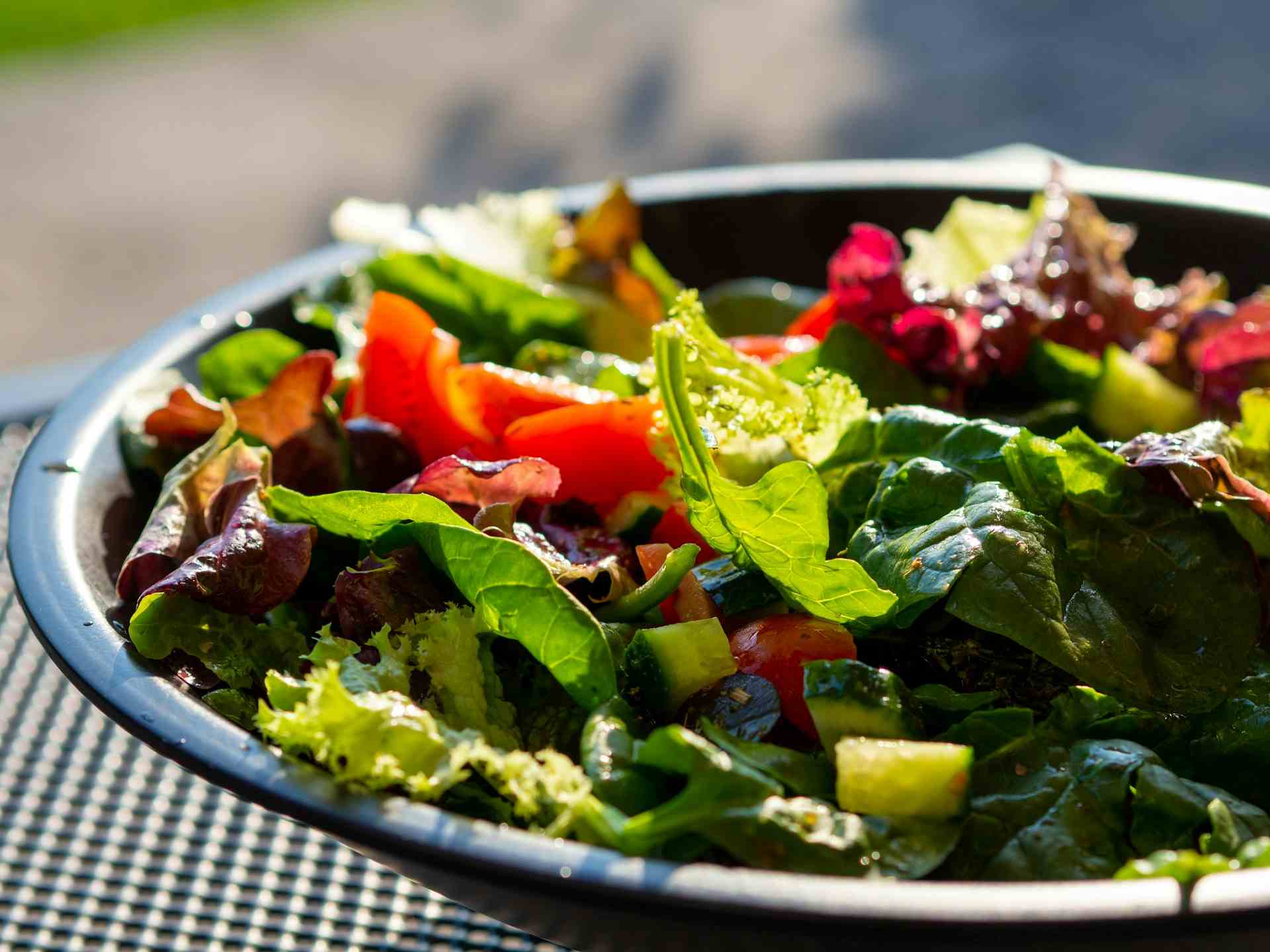
If one food category deserves the most attention, it is leafy green vegetables. Spinach, kale, collard greens, and other dark leafy vegetables are rich in vitamin K, folate, lutein, and other antioxidants. They are also low in calories and easy to add to meals.
A widely cited study published in Neurology in 2018 followed older adults over several years and found that those who ate roughly one to two servings of leafy greens per day showed cognitive abilities that seemed to be about 11 years younger than those who rarely ate them. The study was observational, so it cannot prove cause and effect, but the association was strong enough to attract major interest. Toss spinach into a morning omelet, add kale to a soup, or use a handful of greens in a stir-fry, and you are already putting this idea into practice.
Berries: Small Fruits, Big Antioxidant Power
Blueberries and strawberries contain flavonoids, particularly anthocyanins, which give berries their deep color. Animal studies have suggested these compounds may reduce oxidative stress and inflammation in the brain. Human research is still developing, but some small trials have found that regular blueberry consumption was linked to improvements in memory and learning in older adults with mild cognitive decline.
Berries are also convenient. Frozen varieties retain much of their nutritional value, so they can be added to yogurt, oatmeal, or smoothies year-round, making them one of the easiest brain-friendly habits to maintain.
Fatty Fish and Omega-3s
The brain is roughly 60 percent fat by dry weight, and certain fats are essential for its structure and function. Omega-3 fatty acids, especially docosahexaenoic acid (DHA), are concentrated in brain cell membranes. Fatty fish such as salmon, sardines, mackerel, and trout are among the best dietary sources.
It is worth being precise here. Large randomized trials of omega-3 supplements have not consistently shown that they prevent dementia in healthy older adults, which has tempered early enthusiasm. However, observational research continues to associate regular fish intake with better brain health, and eating fish is a sound choice for heart health as well. Most health guidelines recommend at least two servings of fish per week, with fatty varieties included often.
Nuts and Seeds: A Crunchy Source of Protection
Walnuts stand out among nuts because they contain alpha-linolenic acid, a plant-based omega-3, along with vitamin E and polyphenols. Several observational studies have linked regular nut consumption to slower cognitive decline. Almonds, pumpkin seeds, and flaxseeds also provide healthy fats, magnesium, and fiber.
Portion size matters, since nuts are calorie-dense. A small handful a day is a practical target that fits most eating patterns.
Extra Virgin Olive Oil: A Mediterranean Staple
Extra virgin olive oil is a central feature of the Mediterranean diet, which has been studied extensively for its heart and brain benefits. Its polyphenols and monounsaturated fats are thought to reduce inflammation and support blood vessel health. The PREDIMED trial, a large Spanish study, found that people following a Mediterranean diet supplemented with olive oil or nuts had lower rates of cardiovascular events, and follow-up work has explored cognitive outcomes as well.
Switching from butter or refined vegetable oils to extra virgin olive oil for everyday cooking and salad dressings is a simple, flavorful upgrade.
Eggs, Whole Grains, and Legumes
Eggs provide choline, a nutrient the body uses to make acetylcholine, a neurotransmitter important for memory. Whole grains such as oats, brown rice, and whole wheat supply steady energy and fiber, helping to keep blood sugar stable, which matters because poorly controlled blood sugar is linked to cognitive decline. Beans, lentils, and chickpeas offer plant protein, fiber, and folate, and they fit well into the kinds of balanced meals recommended by most nutrition experts.
Coffee and Tea: Moderate Pleasures
Many readers will be relieved to hear that their daily cup of coffee or tea may not be a problem. Some observational studies have linked moderate coffee consumption to a lower risk of cognitive decline, and green tea contains catechins and L-theanine, compounds that have attracted research interest. Moderation is key, and excessive caffeine can disrupt sleep, which is itself important for memory consolidation.
What to Avoid
Brain-healthy eating is as much about what you limit as what you add. Diets high in ultra-processed foods, added sugars, and saturated fats are associated with higher risks of obesity, diabetes, and heart disease, all of which affect the brain. Heavy alcohol use has also been identified as a risk factor for dementia. Reducing these habits can be just as meaningful as adding superfoods.
Putting It All Together
The most realistic way to use brain superfoods is to build them into a consistent pattern rather than chasing a single ingredient. A day might begin with oatmeal topped with blueberries and walnuts, move to a lunch of leafy greens with chickpeas and olive oil dressing, and end with salmon and vegetables for dinner. Over weeks and years, these choices can add up.
Experts also stress that nutrition works best alongside other healthy habits. Regular physical activity, quality sleep, managing blood pressure and diabetes, staying socially engaged, protecting hearing and vision, and not smoking all play important roles in protecting memory. Anyone experiencing persistent memory problems should consult a doctor, since some causes of forgetfulness are treatable.
Brain superfoods will not guarantee protection against Alzheimer’s disease, but the evidence points in a encouraging direction. Leafy greens, berries, fatty fish, nuts, olive oil, and other whole foods are consistently linked to better cognitive health in research. Their greatest value lies in what they represent: a diet rich in plants, healthy fats, and minimally processed ingredients that supports the heart, the blood vessels, and the brain over the long run.
Start small. Add one extra serving of greens today, swap a snack for a handful of walnuts, or plan a fish dinner this week. Your future memory may thank you for it.
This article is for general information and does not replace professional medical advice. Anyone concerned about memory changes or dementia risk should speak with a qualified healthcare provider.