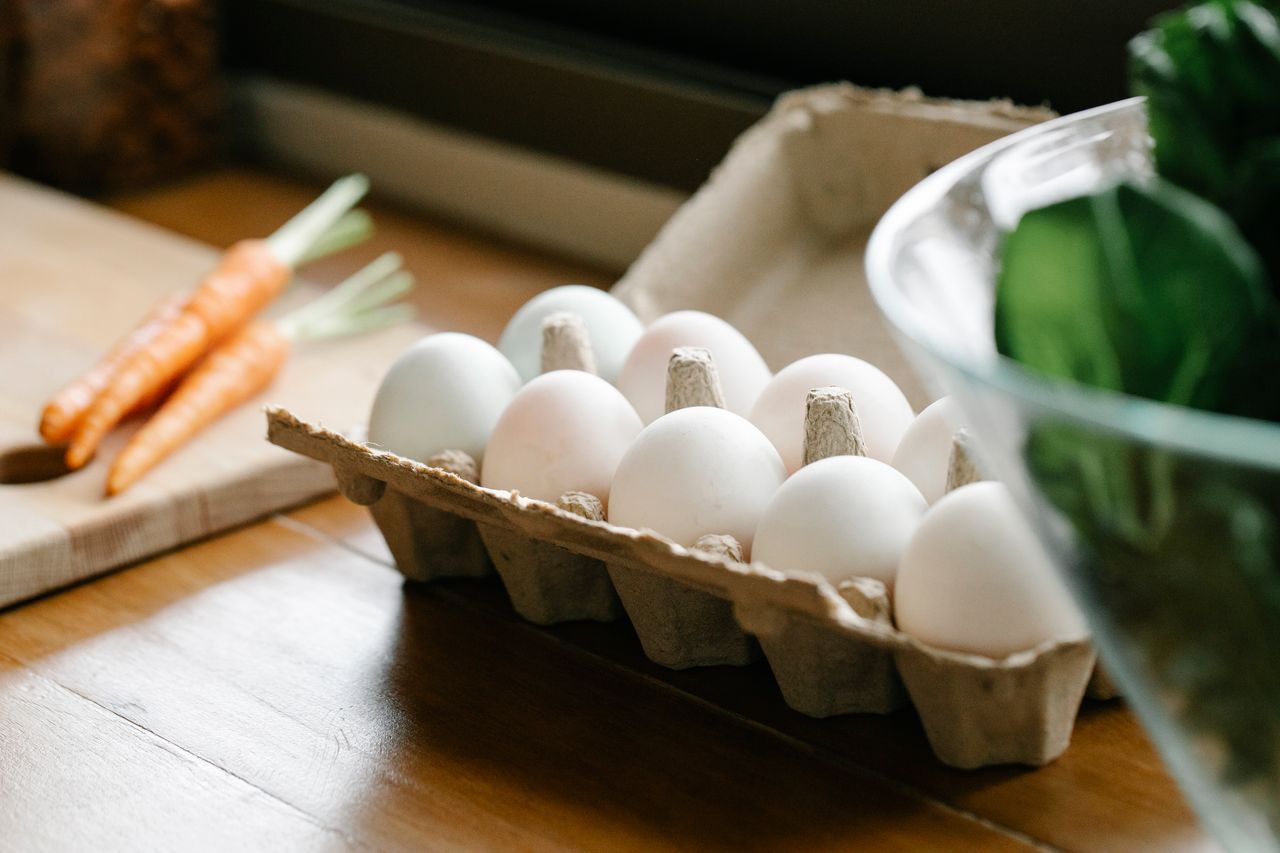
Eggs are one of the most affordable and versatile foods in most kitchens. They turn up at breakfast as fried eggs or omelettes, at lunch in sandwiches, and at dinner in carbonara or fried rice. Yet the same humble ingredient is also a common source of foodborne illness. Salmonella, the bacterium most often linked to eggs, can cause fever, cramps, and diarrhea that send people to bed for days. Most of the time, the problem is not the egg itself but small habits in the kitchen that many home cooks never think twice about.
Food safety experts say the risk is manageable. Understanding where things go wrong is the first step. Here are the most common mistakes people make when cooking eggs, and how to avoid them.
Why Eggs Deserve More Respect Than You Think
Salmonella can live inside a hen’s ovary before the shell even forms, which means a clean, uncracked egg can still carry the bacteria. Most contamination is rare, but the scale of egg consumption makes it a real public health concern. The United States Centers for Disease Control and Prevention (CDC) has long identified eggs as a significant source of Salmonella infections, particularly those caused by the Salmonella Enteritidis strain.
The good news is that Salmonella is killed by proper heat. The challenge is that many of the habits that lead to illness happen before the pan ever gets hot. Storage, handling, and cross-contamination in the kitchen can undo all the good work done at the stove.
Mistake One: Leaving Eggs Out on the Counter
Many people keep eggs in a bowl on the kitchen counter because it looks neat and makes them easy to grab. In warm climates, that habit can be risky. Bacteria multiply fastest between roughly 4°C and 60°C, often called the “danger zone,” and a room-temperature egg gives them a comfortable environment.
In the United States, the Food and Drug Administration requires that shell eggs be stored and transported at 7°C (45°F) or below at retail. The USDA recommends keeping eggs in their original carton in the main body of the refrigerator rather than the door, where temperatures fluctuate every time the fridge opens. Eggs should not sit out for more than two hours, and only one hour when the room temperature is above 32°C (90°F).
Many countries have different rules. In parts of Europe and Asia, eggs are often sold unrefrigerated because they are washed differently, and they are kept at room temperature in shops. Even in those places, food safety authorities generally recommend refrigerating eggs once they are taken home, especially if the kitchen is hot.
Mistake Two: Washing Eggs the Wrong Way
Rinsing eggs seems like a sensible step, especially if a shell looks dirty. However, the shell has tiny pores, and cold water can create a pressure difference that pulls bacteria inside. In countries where eggs are not commercially washed, food safety guidance often advises against washing eggs at home before storage.
If a feather or bit of dirt clings to an egg, the safest approach is to wipe it off with a dry cloth or a paper towel. If you do need to wash an egg, use water that is warmer than the egg itself, and use the egg right away. Never soak eggs, and never store washed eggs without drying them.
Mistake Three: Undercooking Yolks and Whites
Few things satisfy a breakfast craving like a runny yolk, and sunny-side-up eggs and soft-boiled eggs remain popular in cafés and at home. The trouble is that a runny yolk or undercooked white may not reach temperatures high enough to kill Salmonella.
The USDA advises cooking eggs until both the yolk and white are firm, and cooking egg dishes to an internal temperature of 71°C (160°F). For scrambled eggs, that means cooking until no liquid remains. For poached eggs, the white should be fully set and the yolk should be cooked to the point you are comfortable serving to people who may be vulnerable.
Vulnerable groups deserve special attention. Pregnant women, young children, older adults, and people with weakened immune systems are at higher risk of severe illness. For these groups, health authorities recommend avoiding dishes with raw or lightly cooked eggs altogether.
Mistake Four: Ignoring Hidden Raw Eggs
Some of the most common egg-related infections do not come from a plate of eggs at all. They come from foods where raw eggs are hidden in the recipe. Homemade mayonnaise, hollandaise sauce, Caesar salad dressing, tiramisu, mousse, eggnog, and raw cookie dough can all contain uncooked eggs.
Many home cooks assume that a dessert or sauce is safe because it looks like a finished product. Yet unless the eggs have been heated to a safe temperature or the product uses pasteurized eggs, the risk remains. Pasteurized eggs are widely available in supermarkets and are a practical option for recipes that call for raw or lightly cooked eggs. Using them takes the guesswork out of these dishes.
Mistake Five: Cross-Contamination in the Kitchen
Cross-contamination is one of the least visible causes of food poisoning, and it often happens during routine tasks. Raw egg can spread to countertops, utensils, hands, and other foods within seconds. A cutting board used for raw eggs and then for sliced vegetables can transfer bacteria to a salad that will not be cooked.
The simplest defense is discipline. Wash your hands with soap and warm water before and after handling eggs. Clean counters, sinks, and utensils with hot soapy water after they touch raw egg. Use separate boards for raw animal products and ready-to-eat foods, and avoid letting the egg shell or the raw white drip onto other ingredients.
Many people also forget that cracking eggs over a bowl is a risk in itself. Shell fragments and raw egg can splash onto nearby surfaces. Crack eggs onto a flat surface when possible, or into a separate cup before adding them to a mixture, so that one bad egg does not contaminate the entire batch.
Mistake Six: Leaving Cooked Eggs Out Too Long
Breakfast buffets, potlucks, and busy family mornings often mean cooked eggs sit out for hours. Once cooked, eggs are just as vulnerable to bacterial growth as raw ones, and the warm, moist surface of scrambled eggs or an omelette provides ideal conditions.
Food safety guidance is consistent on this point: cooked eggs should not be left at room temperature for more than two hours. If the room is very hot, the limit drops to one hour. Leftovers should be refrigerated promptly in shallow containers so they cool quickly. Reheat them thoroughly to 74°C (165°F) before eating.
Mistake Seven: Misjudging How Long Eggs Last
Many people rely on the “sniff test” to decide whether an egg is still good. That approach is unreliable, because a contaminated egg may not smell bad at all. A more practical rule is to check the date on the carton and to follow the storage guidance on it.
Raw shell eggs kept refrigerated can typically stay good for three to five weeks after the pack date, though quality and safety depend on proper storage. Hard-boiled eggs should be refrigerated and eaten within about a week. Once cracked, eggs should be covered and refrigerated, and used within a day or two. Leftover egg whites or yolks should not be stored in the open air.
A quick float test in water can indicate whether an egg is older, since fresher eggs sink and older ones tend to float as the air cell grows. However, it is only a rough guide. The safest approach is to store eggs correctly and use them within the recommended window.
Building Better Egg Habits
The common thread in all these mistakes is that they feel harmless. Leaving a carton on the counter, rinsing a dirty shell, or licking the spoon after stirring cookie dough seems minor in the moment. Yet small habits repeated across many meals add up to real risk.
Better egg habits are not complicated. Refrigerate eggs promptly and keep them in their carton. Cook eggs until both the yolk and white are firm. Be cautious with homemade sauces and desserts that use raw eggs, and choose pasteurized eggs when a recipe requires them. Keep your hands, surfaces, and utensils clean, and refrigerate leftovers quickly.
For families with young children, older relatives, or pregnant members, these steps matter even more. Food poisoning is rarely dramatic in the early stages, but its symptoms can be severe for people with less resilient immune systems.
Eggs remain a nutritious and affordable food, and there is no need to give them up. With a few changes in the kitchen, you can enjoy them safely at every meal. Good food safety is less about fear and more about routine, and the best habits are the ones you practice every time you reach for the carton.