

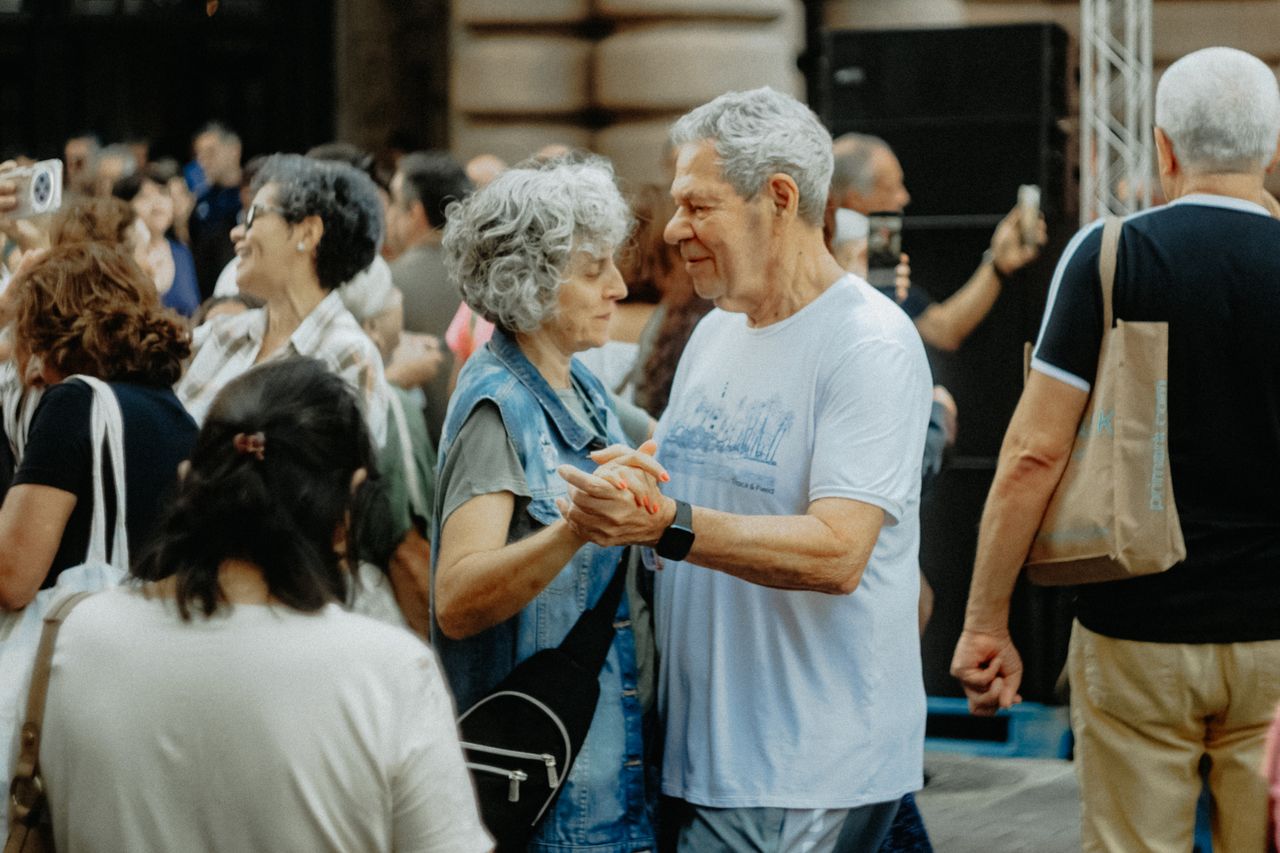
When we think about living a long, healthy, and vibrant life, our minds almost automatically turn to diet and exercise. We obsess over the latest superfoods, debate the merits of keto versus veganism, and meticulously track our daily step counts or gym sessions. Society has long preached that a combination of a pristine diet and rigorous physical activity is the ultimate holy grail of anti-aging.
However, a growing body of groundbreaking research suggests we might be missing the forest for the trees. While kale smoothies and marathon training certainly have their merits, scientists and longevity experts are pointing toward a different metric entirely—one that consistently outperforms diet, exercise, and even genetics when it comes to predicting how long and how well we will live.
As researchers dive deeper into the biology of aging, a compelling consensus is emerging from the scientific community. The hidden key to longevity isn’t found in a prescription bottle or a green juice; rather, it lies in the strength of our human connections.
The Paradigm Shift in Health Predictors
For decades, public health campaigns have focused heavily on physiological metrics. Doctors tell us to lower our cholesterol, drop our blood pressure, eliminate sugar, and hit the gym. These are undeniably important components of preventative medicine. Yet, a landmark longevity study has upended traditional medical wisdom by revealing that social integration and the quality of our relationships are far more potent health predictors than physical fitness alone.
The realization that human connection is a biological necessity rather than a mere emotional luxury has sent ripples through the wellness industry. When researchers analyze data from decades-long cohort studies tracking thousands of individuals from youth to old age, a striking pattern emerges. People who maintain robust, meaningful relationships consistently outlive those who eat a perfect diet but suffer from chronic isolation.
In fact, the data is staggering. Extensive meta-analyses have shown that lack of social connection is as damaging to health as smoking 15 cigarettes a day. It even poses a greater risk to longevity than physical inactivity, obesity, and air pollution. This paradigm shift forces us to reevaluate our wellness habits, suggesting that we need to allocate as much mental and physical energy toward nurturing our social circles as we do toward meal prepping and working out.
Unpacking the Landmark Findings
To understand why our social lives dictate our life expectancy so profoundly, we must look at the science of connection. One of the most famous and longest-running investigations into human happiness and longevity is the Harvard Study of Adult Development. Tracking the lives of hundreds of men for over 80 years, researchers collected an unprecedented amount of psychological, physical, and lifestyle data.
The overarching takeaway from this monumental study can be summarized in one sentence: good relationships keep us happier and healthier. Protect us, they do.
The findings revealed that participants who were most satisfied in their relationships at age 50 were the healthiest at age 80. Close relationships, more than money or fame, are what keep people happy throughout their lives. These ties protect people from life’s discontents, help to delay mental and physical decline, and are better predictors of long and happy lives than social class, IQ, or even the genes of our ancestors.
Furthermore, this longevity study highlighted that it is not necessarily the number of friends you have, nor whether or not you are in a committed relationship, but the quality of your close relationships that matters. Living in the midst of conflict is actively detrimental to our health. High-conflict marriages, for example, without much affection, turn out to be very bad for our health, perhaps even worse than getting divorced. Meanwhile, living in the midst of warm, supportive relationships acts as a biological shield.
How Loneliness Damages the Body at a Cellular Level
It is easy to view loneliness as a purely psychological state—a feeling of sadness or emptiness. However, modern medical science views chronic loneliness and social isolation as a profound physiological stressor. When we lack meaningful social bonds, our bodies react as if we are under constant physical threat.
This triggers a primitive survival mechanism, activating the body’s “fight or flight” response. Over time, this chronic activation leads to sustained high levels of stress hormones like cortisol and adrenaline. The downstream effects of this biochemical cascade are disastrous for long-term health. Chronic stress promotes systemic inflammation, weakens the immune system, accelerates cellular aging, and damages cardiovascular health.
Inflammation is the root cause of many age-related chronic illnesses, including heart disease, type 2 diabetes, autoimmune disorders, and Alzheimer’s disease. When we are socially isolated, our biological systems are essentially working overtime in a state of low-grade emergency.
Conversely, positive social interactions release a cocktail of beneficial neurochemicals. Oxytocin, often dubbed the “love hormone,” along with dopamine and endorphins, acts as a natural buffer against stress. These hormones lower blood pressure, reduce inflammation, accelerate tissue healing, and promote a sense of calm and well-being. This biochemical harmony explains why integrated individuals boast stronger immune systems and bounce back from illnesses much faster than their isolated counterparts.
Integrating Connection into Modern Wellness Habits
Recognizing that social fitness is just as crucial as physical fitness requires a deliberate shift in our daily routines. In our hyper-digital age, many of us mistake screen time for face time. We scroll through social media feeds, exchanging superficial likes and comments, while experiencing unprecedented levels of true isolation.
To leverage this powerful health predictor, we must cultivate intentional wellness habits that foster deep, authentic human connection. This does not mean you need to become an extrovert or maintain a massive social calendar. Rather, it is about depth over breadth.
Building social resilience can start with small, actionable steps in your everyday life:
- Prioritize Quality Over Quantity: Cultivate a few deep, trustworthy friendships where you can be vulnerable and authentic, rather than chasing popularity or networking superficially.
- Active Listening and Presence: When interacting with loved ones, put away distractions like smartphones. Give them your undivided attention, which deepens the emotional bond and mutual trust.
- Engage in Shared Meaningful Activities: Join community groups, book clubs, volunteer organizations, or recreational sports leagues where you can bond with others over common passions and goals.
- Bridge the Digital Gap: If in-person meetings are difficult due to distance, schedule regular video calls with family and friends to maintain emotional intimacy.
- Resolve Conflicts Promptly: Since high-conflict relationships are toxic to longevity, invest effort in healthy communication, forgiveness, and conflict resolution to keep your primary bonds harmonious.
Rethinking the Longevity Blueprint
The obsession with longevity often breeds anxiety. We count macros, monitor sleep stages, and worry endlessly about aging gracefully, sometimes forgetting the very essence of what makes life worth living in the first place.
Diet and exercise remain foundational pillars of health, providing the physical machinery necessary to navigate life with vitality. But without human connection, that machinery lacks fuel, purpose, and protection. The ultimate longevity study results remind us that we are inherently social creatures, wired for community, empathy, and belonging.
As we look toward the future of personalized medicine and wellness, the prescription for a long and healthy life is remarkably simple, yet profoundly challenging in today’s fast-paced world. We must invest in our relationships with the same dedication we apply to our workouts and meal plans. By wrapping our lives in warm, supportive connections, we unlock the most potent health predictor known to science—proving that the secret to aging well isn’t just about how we treat our bodies, but how we treat one another.