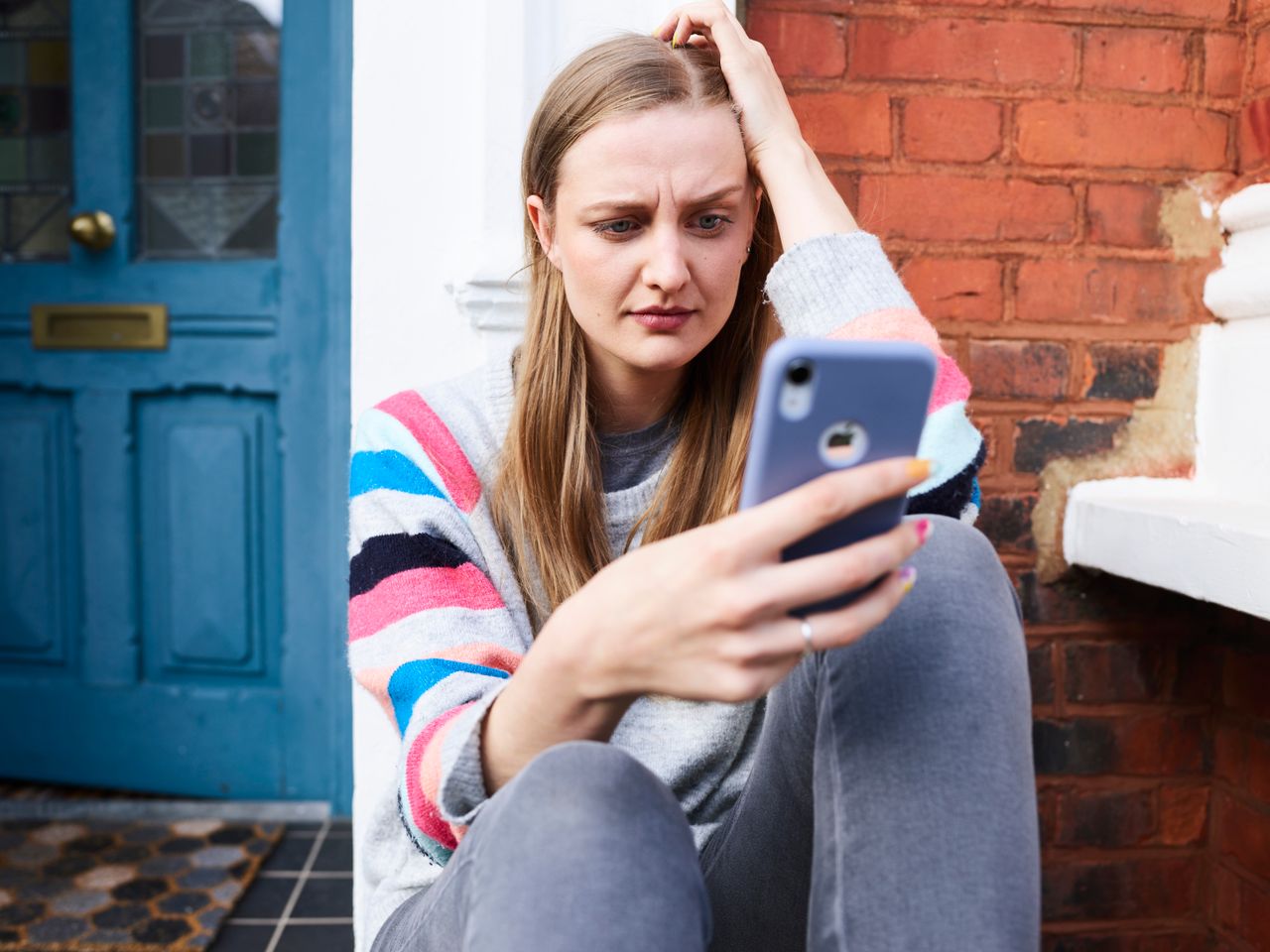
Every relationship has rough patches, but some problems are more than a bad week or a misunderstanding. Toxic patterns often appear early, sometimes disguised as romance, care, or passion. Many people only recognize them after months or years of emotional strain. Knowing the warning signs of an unhealthy relationship can help you protect your wellbeing before the damage builds up.
This guide walks through ten early red flags, explains why each one matters, and offers practical ways to respond. Whether you are dating someone new or wondering whether your current relationship has crossed a line, these signs are worth understanding.
1. Constant Criticism Presented as “Just Being Honest”
Feedback can be healthy, but a partner who constantly points out your flaws is doing something different. Comments about your appearance, your job, your friends, or your hobbies can slowly wear down your confidence. Often the criticism comes with a shrug and a line like, “I’m only saying this because I care.”
The key difference is the pattern. Healthy partners raise concerns in a way that invites conversation. Toxic partners tend to criticize in ways that leave you feeling small, and they rarely acknowledge how much it hurts.
2. Jealousy That Feels Like Devotion
A little jealousy is normal. But when a partner monitors your messages, questions every minute you spend away, or becomes angry about friendships with coworkers, the behavior has moved beyond affection. Early on, this can feel flattering, as if someone simply cannot get enough of you. Over time, it becomes a way to control where you go and who you see.
Pay attention to how often you feel you need to explain or justify ordinary parts of your day. If that feeling is frequent, it deserves a closer look.
3. Pressure to Pull Away From Friends and Family
Watch for subtle attempts to separate you from your support system. A partner might complain that your friends are “a bad influence,” make plans that conflict with your social commitments, or sulk every time you visit your family. Sometimes the message is less direct: you start to feel guilty for spending time with anyone other than your partner.
Isolation is one of the most common tools in unhealthy relationships because it removes the people who could notice a problem and offer an outside perspective. A relationship that makes your world smaller rather than bigger is a serious warning sign.
4. Control Over Money, Phone, or Daily Decisions
Control does not always look dramatic. It can show up as a partner asking to see your phone “just to check something,” demanding access to your bank account, or quietly deciding how your money gets spent. Some people also get upset when you make plans without consulting them or when you choose something they did not approve of.
Healthy couples make decisions together and respect each other’s independence. When one person consistently holds the power over practical matters, the imbalance can become difficult to escape later.
5. Intense Affection That Quickly Turns Cold
Many people recognize the early stage of a toxic relationship by its intensity. The partner showers you with compliments, talks about a future together after only a few weeks, and wants to be in constant contact. This is often called “love-bombing.”
The danger appears when that warmth suddenly disappears. After you have been drawn in, the partner may become distant, withdrawn, or punishing, leaving you anxious about what you did wrong. This cycle of closeness and withdrawal can create a strong emotional attachment that makes the relationship harder to leave.
6. Repeatedly Ignoring Your Boundaries
Boundaries are the limits that protect your comfort, time, and values. A partner who respects you will accept a clear “no” without a fight. A toxic partner might push past your limits, dismiss them as overreactions, or keep bringing up the same request until you give in.
Pay attention to how your partner responds when you say you need space, want to decline an invitation, or feel uncomfortable with a topic. Their reaction often reveals more than their words.
7. Keeping Score and Frequent Guilt-Tripping
In a healthy relationship, partners can admit mistakes and move forward. In a toxic one, every disagreement becomes a ledger of past wrongs. Your partner may bring up something you did months ago during an unrelated argument, or insist that you owe them something in return for every kind gesture.
Guilt-tripping is closely related. Statements such as “After everything I’ve done for you, this is how you repay me?” are designed to make you feel responsible for their emotions. Over time, you may start apologizing for things that are not your fault just to restore peace.
8. Gaslighting: Making You Doubt Your Own Memory
Gaslighting is a form of psychological manipulation in which a person makes you question your perception of reality. You might hear, “That never happened,” “You’re overreacting,” or “You’re too sensitive, you always make things up.” Eventually, you may find yourself second-guessing your memory, your feelings, and even your sanity.
This is one of the most damaging red flags because it erodes your trust in yourself. If you frequently feel confused after conversations with your partner, or you keep writing things down to prove what was said, consider seeking an outside perspective from a trusted friend or counselor.
9. Contempt, Mockery, and Put-Downs
Psychologist John Gottman, whose decades of research on couples have shaped modern relationship science, identified contempt as one of the strongest predictors of relationship breakdown. Contempt includes sarcasm, mocking, name-calling, eye-rolling, and sneering. It communicates that you are beneath your partner’s respect.
Occasional sarcasm during a stressful moment is not the same as ongoing contempt. However, if your partner regularly ridicules you, especially in front of others, the message is clear: your feelings and opinions do not matter to them.
10. Frightening Anger and Your Constant Sense of Unease
The final red flag is perhaps the most important because it draws on your own instincts. Notice whether your partner’s anger is intimidating. Do they punch walls, throw objects, slam doors, or make threats? Do you find yourself tiptoeing around their moods, rehearsing conversations in your head, or feeling relieved when they are calm?
Physical intimidation and threats are never acceptable, and they can escalate over time. Even without physical harm, living in a constant state of fear or anxiety is a clear sign that something is wrong. Your body often notices danger before your mind is ready to name it.
Why Early Recognition Matters
Many people assume that toxic relationships are obvious from the start. In reality, these patterns tend to develop gradually. A partner who is jealous in the early months may become controlling later. A little criticism can turn into constant belittling. Because each step feels small, it is easy to rationalize what is happening.
Recognizing red flags early gives you more room to make choices. You can set boundaries, talk openly about your concerns, or decide that the relationship is not right for you. Early awareness also protects your self-esteem, which tends to be easier to maintain before years of emotional wear.
What to Do If You Recognize These Signs
If several of these red flags describe your relationship, start by trusting what you have noticed. Writing down specific incidents, including dates and what was said, can help you see patterns more clearly, especially if you have been experiencing gaslighting. Talking with a close friend, family member, or therapist can also provide perspective that is hard to gain from inside the relationship.
Setting firm boundaries is an important step, but your safety comes first. If you feel threatened, face physical harm, or fear how your partner will react to you leaving, prepare a safety plan and reach out for professional help. In the United States, the National Domestic Violence Hotline (1-800-799-7233) offers confidential support. Similar helplines and counseling services are available in most countries.
Leaving a toxic relationship can be emotionally complicated, even when it is the right decision. You may feel grief, guilt, or confusion. Those feelings do not mean you made the wrong choice. They are a normal response to losing a relationship that once mattered to you.
Choosing Relationships That Feel Safe and Respectful
Healthy relationships are built on mutual respect, honest communication, and the freedom to be yourself. Partners may disagree, but they listen, apologize when necessary, and support each other’s growth. Pay attention not only to what your partner says about love but also to how they treat you when things are difficult.
Relationship advice often focuses on how to fix problems, but sometimes the most important skill is knowing when a relationship is not safe. Trusting your instincts, valuing your own needs, and seeking support are powerful steps toward healthier connections in the future.