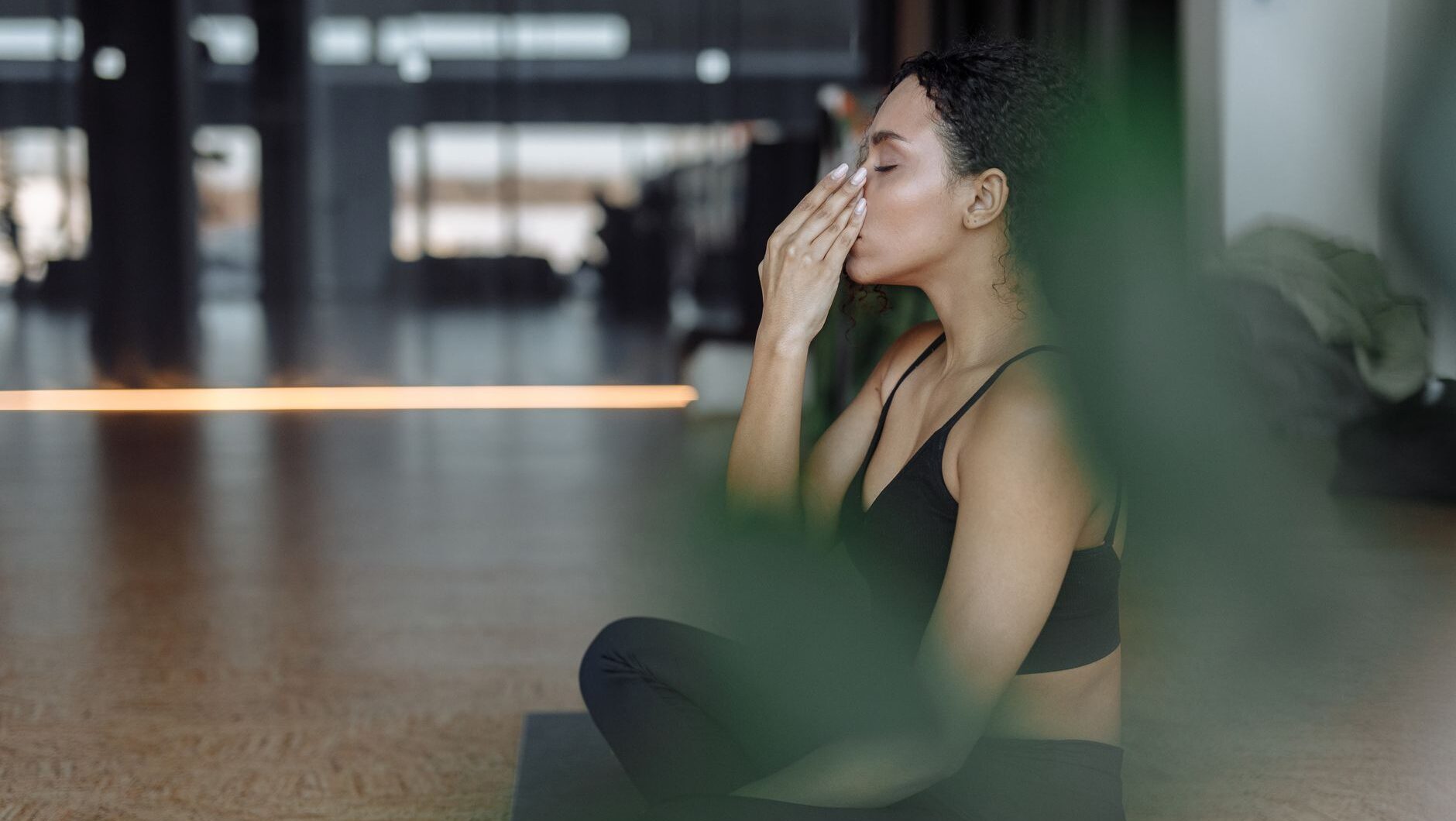
Most people breathe about 20,000 times a day without giving it a second thought. Breathing is one of the few bodily functions that runs automatically and can also be controlled on purpose, and that combination makes it a powerful tool. In recent years, researchers and health professionals have taken a closer look at daily breathwork benefits, and the findings are more compelling than many expected. From lower stress to better sleep and sharper focus, a few minutes of intentional breathing each day may do more for your well-being than you’d guess.
This guide explains what breathwork is, how it affects the body, and why it has become a popular focus for people searching for stress relief breathing techniques and better nervous system regulation.
What Is Breathwork?
Breathwork is an umbrella term for deliberate breathing exercises. Some methods are gentle and slow, designed to calm the mind. Others are more intense and involve faster rhythms or breath holds. Yoga has used controlled breathing, known as pranayama, for centuries, and modern practitioners have adapted these traditions into everything from simple counting exercises to guided sessions led by apps and coaches.
For everyday use, the most useful forms tend to be the simple, low-intensity ones. They require no equipment, can be practiced at a desk or in bed, and take anywhere from one to fifteen minutes. The goal is not to push your lungs to their limits but to change how you breathe so your body shifts into a calmer state.
How Breathing Influences the Nervous System
To understand why breathwork works, it helps to know a little about the autonomic nervous system. This network controls processes you don’t consciously manage, such as heart rate, digestion, and blood pressure. It has two main branches. The sympathetic branch drives the “fight or flight” response, speeding up the heart and sharpening alertness. The parasympathetic branch, often called “rest and digest,” slows things down and supports recovery.
Breathing is one of the few ways to influence this system directly. Your breath is linked to your heart rate through a process called respiratory sinus arrhythmia: your heart rate tends to speed up slightly when you inhale and slow down when you exhale. Because of this connection, changing your breathing pattern can shift your heart rhythm and, in turn, signal your brain that it’s safe to relax.
Researchers pay close attention to heart rate variability, or HRV, which is the natural variation in time between heartbeats. Higher HRV is generally associated with greater adaptability and better stress resilience. Studies have found that slow, paced breathing, often around six breaths per minute, can increase HRV. This is one reason breathwork is considered a practical form of nervous system regulation that anyone can practice.
The Surprising Benefits of Daily Breathwork
Lower Stress and Anxiety
The most widely recognized benefit of breathwork is stress reduction, and the research supports it. A systematic review published in Frontiers in Human Neuroscience in 2018 examined studies on slow breathing and found consistent links to reduced stress, anxiety, and depressive symptoms, along with improved overall feelings of well-being. The authors pointed to the calming effect of slower breathing on the autonomic nervous system as a likely mechanism.
For many people, the most noticeable change is simply feeling less wound up. A short breathing session before a difficult meeting or after a stressful commute can take the edge off in a way that is hard to achieve through willpower alone.
Better Mood in Just Minutes
One of the more striking findings comes from a 2023 study published in Cell Reports Medicine by researchers at Stanford University. The team compared several daily practices over one month among more than 100 adults. Participants who practiced cyclic sighing, a technique involving two inhales through the nose followed by a long, slow exhale through the mouth, showed greater improvements in mood and larger reductions in resting respiratory rate than those who practiced mindfulness meditation. Those who spent just five minutes a day on the breathing exercise reported notable gains in mood, with the effect building over the month.
The finding is encouraging because it suggests that breathwork does not require hours of practice to produce measurable results. A brief daily routine may be enough to shift how you feel.
Improved Focus and Mental Clarity
Shallow, rapid breathing is often linked to tension and distraction. Slow, controlled breathing can do the opposite by giving the mind a steady anchor. Many people find that a minute or two of focused breathing helps them reset their attention before a task that requires concentration, whether that’s writing, studying, or handling a demanding conversation.
Breathwork also serves as a simple form of mindfulness. Counting breaths or noticing the sensation of air moving in and out pulls attention away from racing thoughts and into the present moment. Over time, this practice can make it easier to notice when your mind has wandered and gently bring it back.
Better Sleep
Trouble falling asleep is often tied to a mind and body that haven’t yet switched off. Breathing exercises that emphasize long exhalations are commonly recommended as part of a bedtime routine because they encourage the parasympathetic response. Practices such as extended exhale breathing or slow diaphragmatic breathing can help create the conditions for rest.
While breathwork is not a cure for chronic insomnia, many people find it a helpful addition to good sleep habits, such as keeping a consistent schedule and limiting screen time before bed.
Better Emotional Regulation
Because breathing is linked to the nervous system, it can also help with emotional reactions. When anger, frustration, or panic begins to build, the breath often becomes quick and shallow. Deliberately slowing it down can create a small but meaningful pause between a trigger and a response. That pause gives you room to choose how you react instead of reacting on autopilot.
This is one reason breathwork is often taught as part of stress management and resilience training, both in clinical settings and in workplace wellness programs.
Popular Stress Relief Breathing Techniques to Try
If you’re new to breathwork, starting with a few simple methods can help you find what feels comfortable. Here are three widely used approaches.
Diaphragmatic breathing is a foundational technique. Sit or lie down, place one hand on your chest and the other on your belly, and breathe in slowly through your nose so your belly rises more than your chest. Exhale gently through your nose or lips. Practicing for five to ten minutes a day helps build the habit.
Box breathing uses equal counts for each phase of the breath. Inhale for four seconds, hold for four, exhale for four, and hold again for four. The pattern is simple to remember and is popular with athletes, first responders, and professionals who need to stay composed under pressure.
Cyclic sighing is the technique highlighted in the 2023 Stanford study. Take a full inhale through your nose, then a second shorter inhale to fully expand your lungs, followed by a long, slow exhale through your mouth. Repeating this for about five minutes is often enough to create a noticeable sense of calm.
Whichever method you choose, consistency matters more than intensity. Practicing a gentle technique every day tends to produce better results than occasionally attempting a more demanding routine.
How to Build a Daily Breathwork Habit
Making breathwork part of your routine is easier when you attach it to something you already do. Some people practice right after waking up, while others prefer a few minutes during lunch or before bed. Setting a reminder on your phone can help at first.
Start small. Two to five minutes a day is enough for most beginners. Once the habit feels natural, you can gradually extend the practice. Keep a comfortable posture, breathe through your nose when possible, and avoid forcing the breath. If your mind wanders, simply return your attention to the breath without judgment. That return is itself part of the practice.
Important Safety Considerations
Breathwork is generally safe for most healthy adults, but it is not risk-free. Gentle techniques like diaphragmatic breathing and cyclic sighing are low-risk for most people. More intense methods, including rapid breathing styles or extended breath holds, can cause dizziness, lightheadedness, tingling in the hands, or in rare cases fainting. Breath holds should never be practiced in water or while driving.
People with asthma, heart conditions, high blood pressure, epilepsy, or a history of panic attacks or trauma should speak with a healthcare provider before starting new breathing routines. Pregnant individuals should also seek medical advice first. Breathwork is a valuable complement to healthy habits and professional care, but it should not replace medical treatment for anxiety, depression, or other conditions.
The benefits of daily breathwork are more practical and far-reaching than many people realize. Research suggests that simple, consistent practice can help lower stress, improve mood, support better sleep, sharpen focus, and strengthen emotional balance, largely through its effect on the nervous system. The best part is that these benefits are available to almost anyone, at no cost, and in as little as five minutes a day.
If you have been looking for an accessible way to feel calmer and more in control, your next breath may be a good place to start. Try