

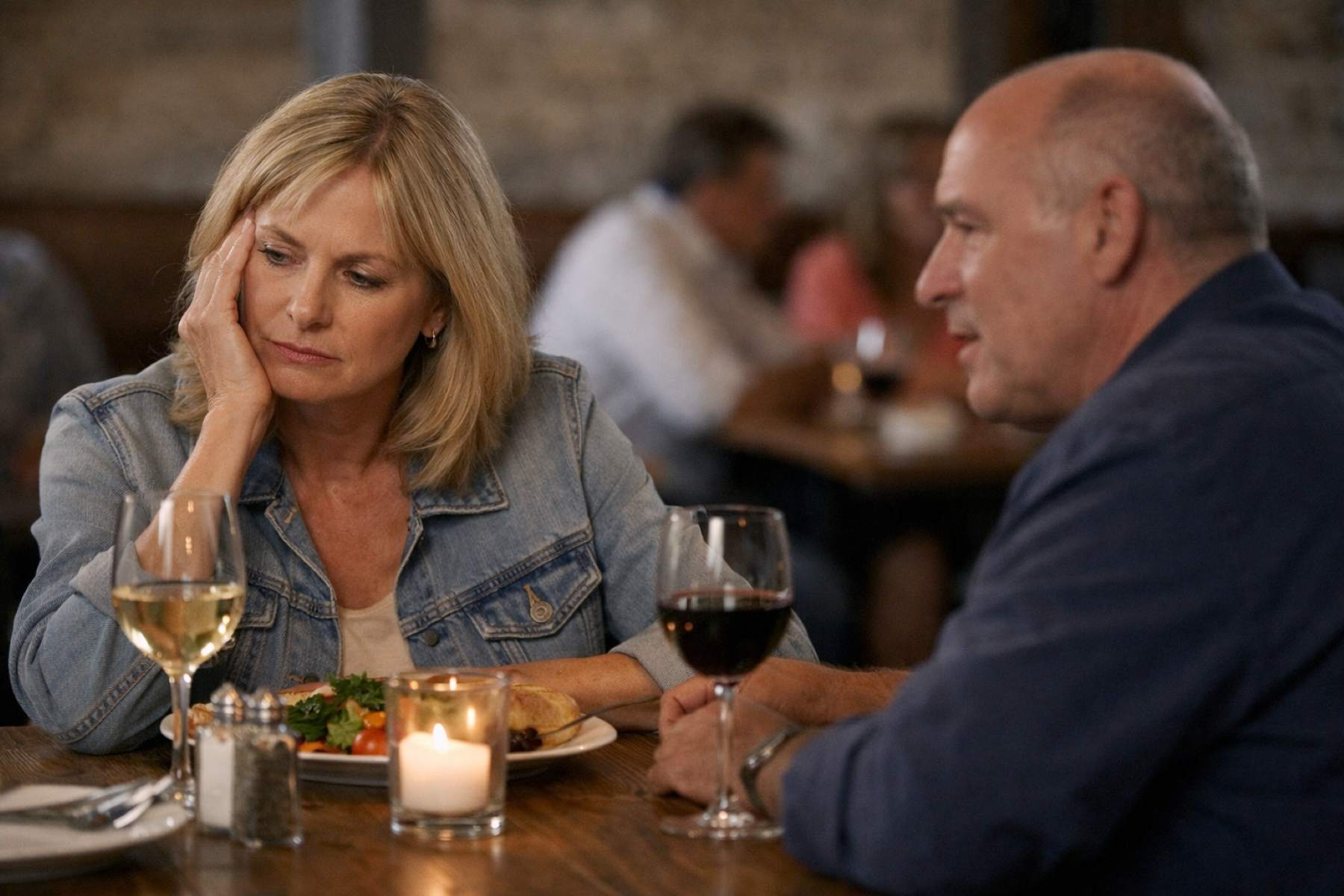
The prospect of entering the dating world in your fifties can feel like a breath of fresh air—a chance for a new chapter filled with companionship and shared wisdom. However, many find that the experience is more complex than simply meeting someone new over coffee. For those navigating middle-aged dating trauma, the baggage of the past often acts like a heavy fog, making it difficult to spot the very warning signs we have promised ourselves we would never ignore again.
Understanding the Landscape of Middle-Aged Dating Trauma
Before diving into the complexities of modern romance, it is essential to understand what we mean by middle-aged dating trauma. This isn’t just about one bad breakup; it is the cumulative weight of decades of emotional experiences. By the time we reach our fifties, we carry the residues of long-term marriages that ended, the grief of losing partners, or the scars of previous toxic relationships. This history creates a unique psychological landscape where our defenses are high, but our ability to clearly perceive new partners is often clouded by the echoes of our past.
1. The Heavy Impact of Long-Term Emotional Baggage
When we date in our youth, our “emotional suitcase” is relatively light. By midlife, we are often hauling a full set of luggage. This long-term emotional baggage influences how we interpret every text, every silence, and every gesture from a new partner. When someone carries unresolved pain, they may inadvertently project the faults of an ex-spouse onto a new acquaintance, or conversely, they may be so desperate for a “correction” of their past that they overlook glaring inconsistencies in a new person’s character.
2. Identifying Common Childhood Trauma Triggers
It is a common misconception that childhood trauma fades with age. In reality, these early wounds often lie dormant until the vulnerability of dating brings them back to the surface. For a person in their fifties, a partner’s brief emotional unavailability might trigger a deep-seated fear of abandonment rooted in childhood. These triggers can cause intense emotional reactions that are disproportionate to the current situation, making it nearly impossible to objectively evaluate the person standing right in front of us.
3. Recognizing Patterns of Romantic Repetition
Many of us find ourselves asking, “Why do I keep dating the same person with a different face?” This phenomenon, known as repetition compulsion, is a hallmark of middle-aged dating trauma. We are often subconsciously drawn to partners who recreate the familiar dynamics of our past, even if those dynamics were painful. We do this in an unconscious attempt to “fix” the ending this time around, but it usually results in a cycle that keeps us trapped in unhealthy relationship structures.
4. The Subconscious Attraction to Familiarity
The human brain is wired to seek what is familiar because familiarity feels safe, even when it is objectively harmful. If you grew up or lived for decades in an environment where you had to earn love, you might find a stable, consistent partner “boring.” You may instead feel a spark of “chemistry” with someone who is unpredictable or volatile. In midlife, this attraction to the familiar often masks red flags, as we mistake the high-anxiety “butterflies” of trauma for the excitement of true love.
5. Why Trauma Responses Often Drown Out Warnings
A trauma response—such as freezing, fawning, or fleeing—is a survival mechanism. When these responses are active, the logical part of our brain, the prefrontal cortex, essentially goes offline. If a new partner exhibits a red flag, such as being overly controlling or dismissive, a person with significant middle-aged dating trauma might “fawn” (try to please the person to avoid conflict) rather than recognizing the behavior as a warning to leave. The internal noise of the trauma response is simply louder than the quiet voice of logic.
6. Evaluating Cognitive Dissonance in Seniors
Cognitive dissonance occurs when we hold two or more contradictory beliefs simultaneously. In senior dating, this often manifests as seeing a red flag but immediately making an excuse for it. We might think, “He was rude to the waiter, but he’s probably just stressed because of his retirement planning.” This mental gymnastics allows us to maintain a positive image of the partner, protecting us from the painful reality that we might be headed for another disappointment.
7. Dissecting the Fear of Isolation
One of the most powerful drivers in midlife dating is the fear of aging alone. This fear can be so potent that it acts as a silencer for our intuition. When the prospect of spending the next thirty years in solitude feels unbearable, the mind becomes very adept at minimizing a partner’s flaws. We begin to prioritize “having someone” over “having the right someone,” which is a dangerous trade-off that often leads back to the very trauma we are trying to escape.
8. Assessing Past Betrayal Sensitivity Levels
If you have been cheated on or financially betrayed in a long-term relationship, your “betrayal sensitivity” will be incredibly high. This can lead to two extremes: either you become hyper-vigilant and suspicious of everyone (missing out on good people), or you become so exhausted by your own suspicion that you give up and stop looking for signs altogether. Balancing this sensitivity is crucial to ensuring that past betrayals do not dictate the terms of your future happiness.
9. Managing Emotional Reactivity During Dates
Dating requires a level of vulnerability that can make anyone feel exposed. For those with a history of trauma, a simple disagreement can feel like a full-scale attack. Learning to manage this emotional reactivity is key. It involves taking a step back to ask, “Am I reacting to what is happening now, or am I reacting to what happened to me ten years ago?” Distinguishing between the present and the past is the first step toward emotional clarity.
10. Differentiating Intuition from Trauma Responses
Intuition is a calm, quiet “knowing” that something is off. A trauma response, however, is usually loud, frantic, and accompanied by physical symptoms like a racing heart or a knotted stomach. In the world of middle-aged dating trauma, these two often get confused. Intuition tells you to move away slowly and carefully; trauma tells you to run or to obsessively fix the problem. Learning to hear the quiet voice of intuition over the scream of trauma is a vital skill.
11. Overcoming Negative Self-Perception Cycles
Years of difficult relationships can leave us with a diminished sense of self-worth. We may believe that we are “damaged goods” or that we don’t deserve a healthy, loving partner. This negative self-perception makes us more likely to tolerate poor treatment because we don’t believe we can do any better. Breaking this cycle requires a conscious effort to rebuild self-esteem independently of our relationship status.
12. Prioritizing Healing Before Seeking Partners
It is a common cliché that “you have to love yourself before someone else can,” but in the context of midlife dating, it is more about healing yourself. Taking a “dating sabbatical” to work with a therapist or engage in deep self-reflection can be the best investment you ever make. Entering the dating pool from a place of wholeness rather than a place of neediness ensures that you are choosing a partner based on shared values rather than a shared wound.
13. Establishing Healthy Modern Relationship Boundaries
Boundaries are the gatekeepers of our well-being. In midlife, these boundaries need to be clearer than ever. This includes being honest about your financial expectations, your living preferences, and your emotional needs. A partner who respects your boundaries is showing you a green flag; a partner who pushes against them, even in “small” ways, is providing a clear signal that they may not be the right fit for your journey.
14. Reclaiming Personal Agency in Romance
Ultimately, navigating the dating world after fifty is about reclaiming your agency. You are no longer the person you were in your twenties, and you have the power to decide who gets access to your life. By acknowledging the impact of middle-aged dating trauma, you can begin to dismantle its power over you. You can choose to move slowly, to listen to your gut, and to walk away from anything that does not bring peace to your soul.
The journey of dating in midlife is as much about self-discovery as it is about finding a partner. While the shadows of the past can sometimes make the path ahead look daunting, they also provide us with the depth and resilience needed to build something truly meaningful. By leaning into healing and remaining mindful of our triggers, we can move past the fog of trauma and find a connection that is grounded in respect, clarity, and genuine affection.