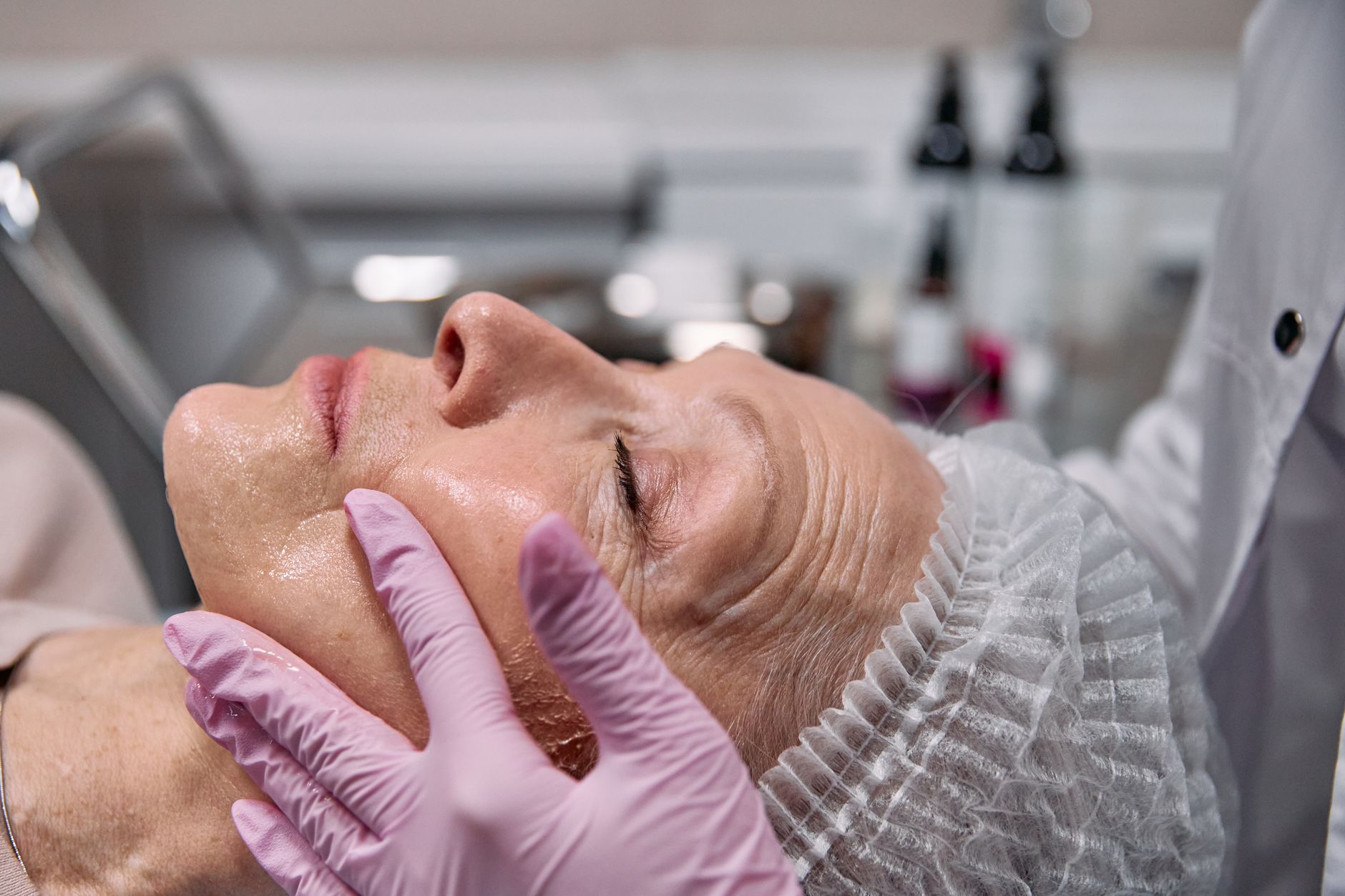
Most people expect facial aging to arrive on a schedule: a fine line around the eyes in the late twenties, deeper creases in the forties, and sagging in the fifties. In reality, the skin’s appearance depends heavily on what happens to it every day. Many of the habits that quietly speed up premature skin aging have nothing to do with genetics or age. They happen during morning commutes, late-night phone scrolling, and rushed skincare routines.
Understanding these facial aging causes matters because many of them are fully within your control. Here are the everyday habits dermatologists most often point to, and why they matter.
Skipping Sunscreen Every Day
Sun exposure is the single biggest driver of visible aging on the face. Dermatologists call this photoaging, and it is different from the natural aging process. Ultraviolet (UV) rays penetrate the dermis, the layer of skin that holds collagen and elastin. Over time, this damage breaks down those fibers, causing loss of firmness, uneven pigmentation, dullness, and deeper lines.
Many people assume sunscreen is only necessary on beach days or in summer. However, UVA rays, which are associated with long-term aging, are present year-round and can pass through clouds and window glass. A person who wears sunscreen only when they are outdoors for long periods may still accumulate significant daily exposure during commutes, errands, and walks.
The habit that makes the biggest difference is simple: apply a broad-spectrum sunscreen with at least SPF 30 every morning, even on cloudy days, and reapply when spending extended time outdoors. Sunscreen should be the final step of the morning routine, after moisturizer.
Sleeping on Your Side or Stomach
Sleep is when the skin repairs itself. During deep sleep, blood flow to the skin increases, and cell turnover and collagen production are believed to become more active. Poor sleep quality, however, is linked to higher levels of cortisol, a stress hormone that can break down collagen and impair the skin barrier. Chronic sleep deprivation also makes the skin look tired, with dark circles, puffiness, and a dull complexion.
Sleeping position matters too. Repeatedly pressing the face into a pillow, especially on the stomach or the same side, can create and deepen “sleep lines” over years. These lines may not be permanent at first, but they can become etched in with repeated pressure. Silk or satin pillowcases reduce friction, and sleeping on your back can limit mechanical pressure on the face.
Aiming for seven to nine hours of sleep per night supports skin health as much as it supports overall well-being.
Smoking and Secondhand Smoke
Smoking is one of the most damaging habits for the face. Cigarette smoke contains thousands of chemicals, including compounds that generate free radicals and reduce blood flow to the skin. Reduced circulation means fewer nutrients and less oxygen reach the skin, slowing repair.
Smoking also affects facial structure. Repeated puckering of the lips while smoking contributes to vertical lines around the mouth, sometimes called smoker’s lines. Over time, smokers often develop a grayish, sallow complexion and more pronounced wrinkles than non-smokers of the same age.
Quitting at any age can help. Studies have shown that people who stop smoking can see improvements in skin tone and blood flow, though the damage that has already occurred may not fully reverse.
Eating a High-Sugar Diet
Sugar may be one of the most underestimated contributors to premature skin aging. When the body processes excess sugar, it can form compounds known as advanced glycation end products, or AGEs. These molecules attach to collagen and elastin, making them stiff and less able to bounce back. The result can be reduced elasticity and a less smooth texture.
This process, called glycation, is accelerated by frequent consumption of refined sugars, white bread, sugary drinks, and highly processed snacks. Diets high in these foods are also associated with inflammation, which can worsen conditions such as acne and rosacea and contribute to a tired, aged appearance.
A balanced diet with plenty of vegetables, fruits, healthy fats, and lean protein supports the skin from the inside. Antioxidant-rich foods, such as berries, leafy greens, and nuts, provide nutrients that help protect against oxidative stress.
Over-Washing and Harsh Scrubbing
Many people believe that a squeaky-clean face is a healthy face, but aggressive cleansing can backfire. Hot water, harsh soaps, and frequent scrubbing strip the skin of its natural oils and disrupt the lipid barrier that keeps moisture in and irritants out. A compromised barrier leads to dryness, redness, flaking, and sensitivity, all of which can make fine lines look more prominent.
Physical scrubs with large or jagged particles can cause micro-tears in the skin. Over-exfoliating with acids or retinoids, especially when combined without guidance, can produce a similar effect. Repeated irritation triggers inflammation, which is linked to collagen breakdown over time.
A gentler approach works better. Wash the face with lukewarm water and a mild, pH-balanced cleanser once or twice a day, and limit exfoliation to a few gentle sessions per week.
Touching and Rubbing Your Face
The hands carry bacteria, oils, and dirt throughout the day, and touching the face constantly transfers these to the skin. Frequent rubbing, especially around the eyes, creates friction that can gradually stretch and weaken delicate skin. Resting the chin on the hand or pressing the cheek against the palm also contributes to repetitive facial movements that may encourage expression lines to set in.
Breakouts can also result from touching the face, since dirt and oils can clog pores. Being mindful of this habit, washing hands before touching the face, and avoiding picking at blemishes can help preserve a smoother complexion.
Poor Posture and Screen Habits
Modern life has introduced new forms of facial strain. Hunching over phones and laptops, often called “tech neck,” shifts the head forward and can affect the jawline, neck, and overall facial contour. Looking down at screens for hours can also tighten facial muscles, especially around the forehead and brow.
Squinting at bright screens or in strong sunlight can contribute to crow’s feet and frown lines over time. Frequent furrowing of the brow while concentrating on work or devices reinforces expression lines until they become visible even at rest.
Simple adjustments help. Raise screens to eye level, take regular breaks to relax the face and neck, and be conscious of habitual expressions such as frowning or squinting.
Drinking Alcohol Regularly
Alcohol dehydrates the body and can leave the skin looking dull, puffy, and lacking in elasticity. It also dilates blood vessels, which can contribute to redness and flushing over time. Regular heavy drinking is associated with a more worn-looking complexion, particularly for those who already have sensitive or rosacea-prone skin.
Moderation is the key. Drinking water alongside alcohol and limiting intake can help the skin retain moisture and maintain a healthier appearance.
Ignoring Stress
Chronic stress triggers the release of cortisol and other hormones that can influence inflammation, sebum production, and collagen maintenance. Stress is also closely tied to habits that harm the skin, such as poor sleep, smoking, skipping meals, and overconsumption of sugar or alcohol. Many people also notice that breakouts and flare-ups of conditions such as eczema worsen during stressful periods.
Managing stress through regular exercise, mindfulness, adequate rest, and social connection supports skin health and overall well-being.
Using Products That Don’t Suit Your Skin
Not all skincare habits are harmful, but using the wrong products can be. Layering too many active ingredients at once, such as strong acids, retinoids, and physical exfoliants, can cause irritation. Skin that is constantly stinging, peeling, or red is under stress, and repeated inflammation can contribute to long-term damage.
Fragrances and certain essential oils are common irritants for sensitive skin. Products that promise dramatic results overnight often rely on strong formulations that can overwhelm the skin barrier.
Building a routine gradually and choosing products suited to your skin type, rather than following every trend, is more effective. Introducing one new product at a time allows you to monitor how your skin responds.
Building Healthier Daily Skincare Habits
The good news is that most of these habits can be improved with consistency rather than expensive treatments. A sensible daily skincare routine for most people includes gentle cleansing morning and night, a moisturizer suited to skin type, and broad-spectrum sunscreen during the day. Adding a retinoid or vitamin C serum can be beneficial for many people, though it is wise to start slowly and consult a dermatologist if you have concerns.
Lifestyle habits matter just as much. Staying hydrated, eating a nutrient-rich diet, sleeping well, avoiding smoke, and protecting the skin from excessive sun all work together to slow visible aging.
Facial aging is inevitable, but its pace is strongly influenced by daily choices. Wrinkles tend to get the most attention, yet the habits that quietly weaken the skin’s structure, dull its surface, and disrupt its repair processes often do more long-term harm. By recognizing these everyday triggers and making small, consistent changes, you can support healthier, more resilient skin for years to come.